The Silent Architecture of Kyoto Teahouses
By 111111 Editorial Staff · Published November 02, 2024
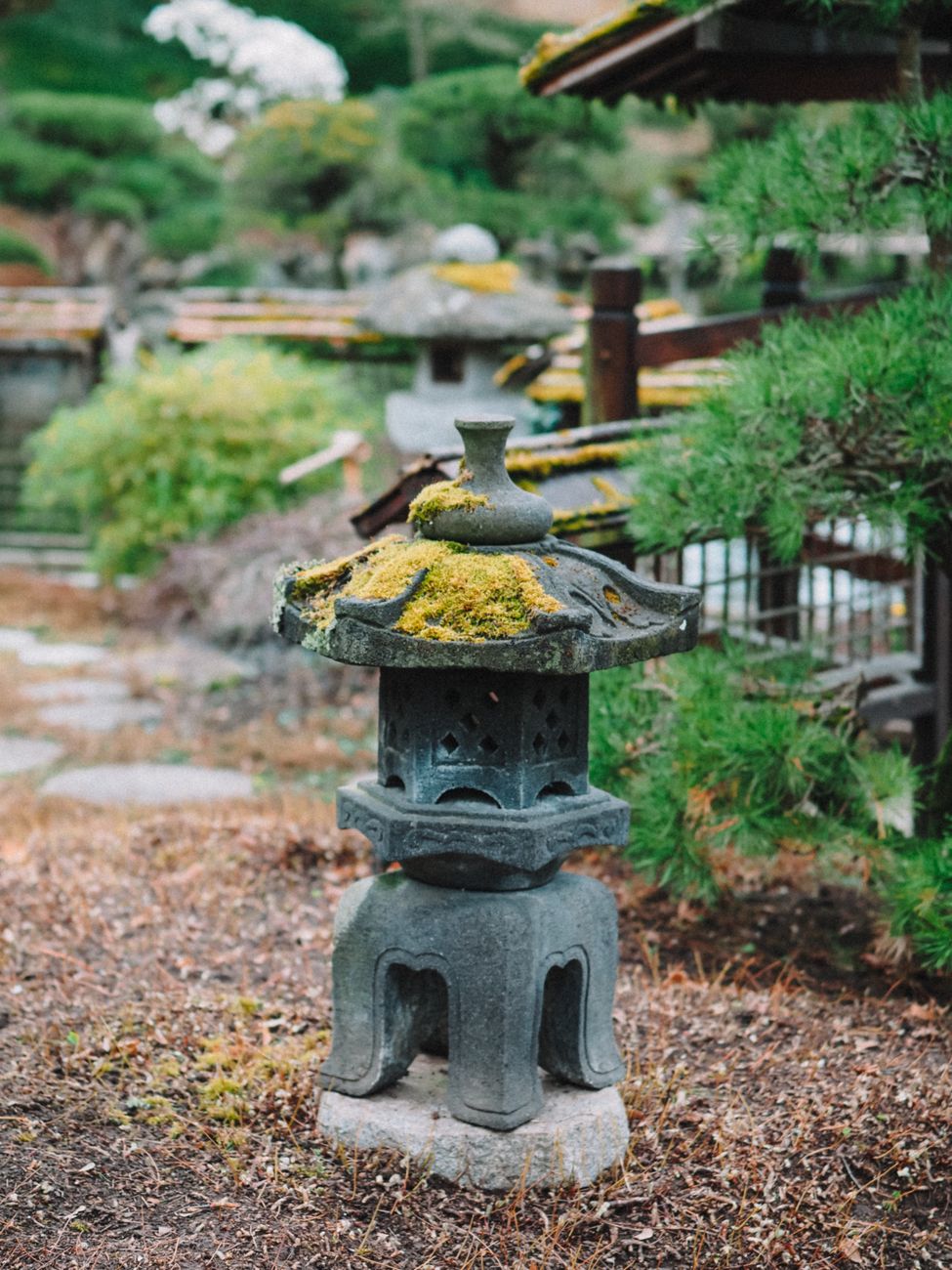
A tea room in suburban Uji or tucked behind the temple walls of Daitoku-ji is not a restaurant. It is an intentional frame constructed to isolate the sound of falling rainwater and boiling water.
For centuries, the tearooms of Kyoto have embodied wabi-scha: the practice of finding complete spiritual nourishment in restrained, unadorned materials. Sliding shoji screens made of mulberry paper diffuse the harsh mid-afternoon glare into a soft, monochromatic luminescence that brings out the texture of raw clay plaster walls.
Gastronomy as Contemplative Art
The companion cuisine to the tea gathering is the cha-kaiseki. Unlike banquet meals engineered for visual theater, a true seasonal tasting menu prepared by Kyoto artisans honors the precise micro-season: simmered taro roots, delicate sea bream wrapped in bamboo leaf, and fragrant dashi broth brewed with aged kombu from Hokkaido.
“When the teahouse host places a single stoneware bowl before you, it is an invitation to inhabit the current sixty seconds as though no other century existed.”
We observed the morning preparations of an eighth-generation confectioner in the Gion district. With unhurried movements, he folded bean paste into seasonal maple blossom shapes, each pastry intended to exist for only hours before dissolution.
Advice for the Mindful Traveler
- Behavior: Silence your digital devices completely before crossing the threshold of any garden pavilion.
- Footwear: Wear clean cotton socks; bare feet on antique woven tatami mats cause structural wear.
- Season: Late autumn brings brilliant momiji foliage, but mid-winter offers unparalleled quiet.