Big Sur and the Architecture of Solitude
By 111111 Editorial Staff · Published November 28, 2024
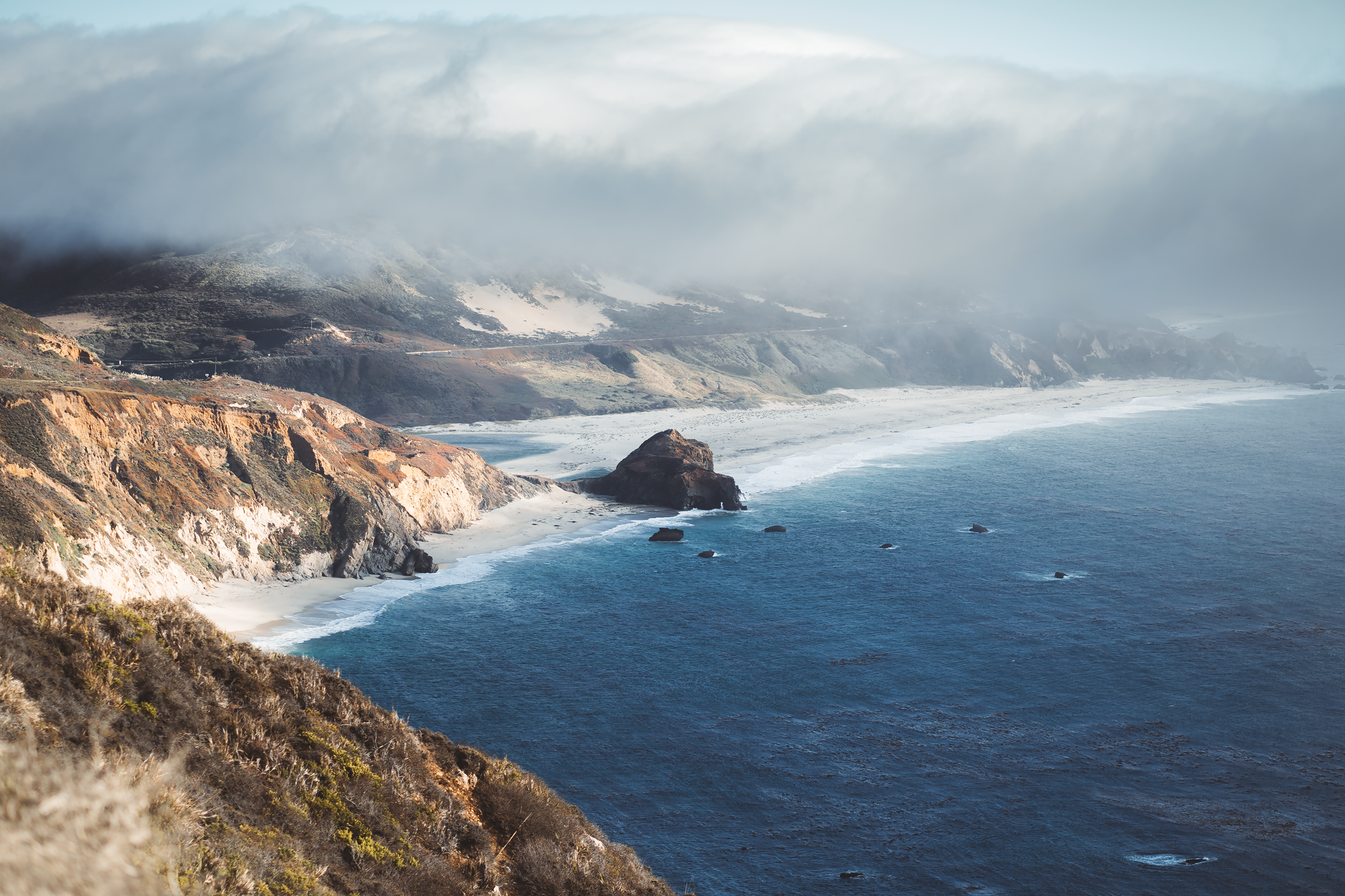
Few stretches of coastline on earth confront the traveler with such raw elemental scale as the ninety-mile corridor between Carmel and San Simeon.
Here, the Santa Lucia Range plunges directly into the Pacific Ocean. Fog moves like a living tide through the canopy of coast redwoods, some of which stood as seedlings when the Roman Empire was at its zenith. The architecture that has thrived along these cliffs respects this immense wilderness: rough-hewn cedar posts, copper roofs that weather into salt-tinged green, and floor-to-ceiling glass turned toward the endless western horizon.
Living Beside the Surge
In Big Sur, solitude is not an accident—it is an active design choice. Cellular reception remains blissfully intermittent. Nighttime brings no suburban illumination, allowing the galactic arm of the Milky Way to arc over the dark waters while southern sea otters shelter among the kelp beds below.
“The lesson of coastal California is humility: realizing that our constructions are mere visitors on the edge of the great Pacific basin.”
We spent several days documenting the sustainable wooden retreats nestled into the canyon folds. Without ostentation, these dwellings prove that human habitation can harmonize with steep geography through mindful engineering and local stone.
Traveler Considerations
- Weather: Pack wool and weather-resistant canvas; the temperature often swings 25 degrees in an afternoon.
- Preservation: Stay strictly on marked trails to avoid contributing to coastal bluff erosion.
- Timeframe: Allocate at least four days to truly appreciate the shifts in marine air and coastal light.