A Quiet Refuge in the Dolomite Valleys
By 111111 Editorial Staff · Published October 14, 2024
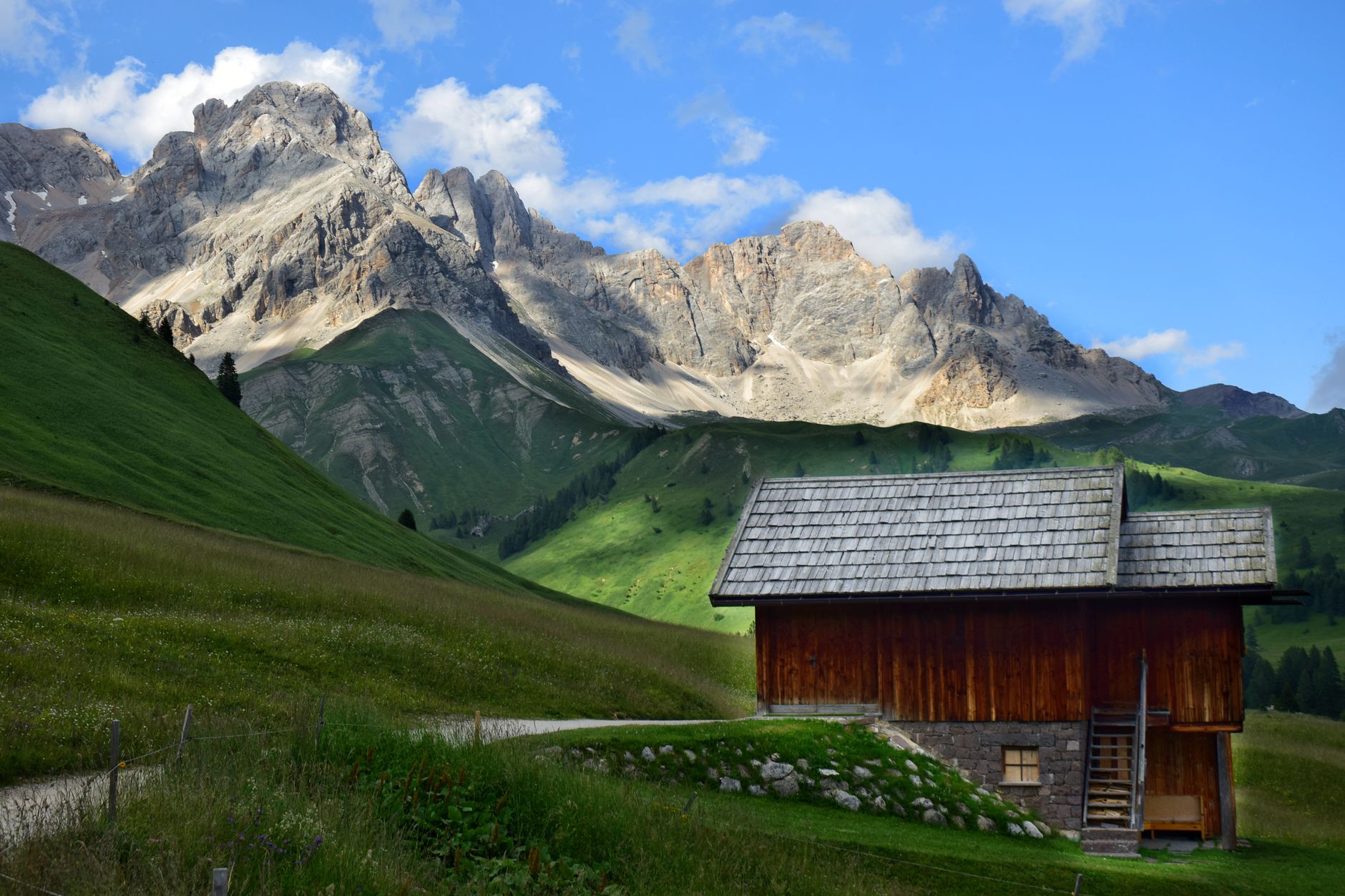
Above the cloud line in the Val di Funes, autumn arrives not as a dramatic spectacle, but as a deliberate dimming of the landscape into honey and ash.
When one walks among the larch forests of the northern Italian Alps in late October, the tourist caravans have vanished back across the Brenner Pass. What remains is a pristine quietude. Here, traditional stone and cedar barn structures known as fienili punctuate the steep pasture slopes, their silvered timbers reflecting three centuries of weathering.
The Rhythm of Timber and Stone
In the higher reaches, simple wood smoke rises into the thinning mountain air. Local hospitality in this region does not rely on modern ostentation. Rather, it centers on the physical warmth of ceramic masonry stoves, sheepskin throws, and hand-milled polenta served with fresh mountain chanterelles.
“To travel slowly through the Dolomites is to unlearn the anxious tempo of contemporary cities and accept the stone clock of the geology above.”
We spent four consecutive mornings ascending the path toward the Odle peaks before dawn. There is an unspoken discipline to waking when frost still grips the lichen-covered fence rails. By noon, the sun softens the needle-strewn soil, releasing an intoxicating perfume of pine resin, damp moss, and cold stone.
Practical Field Notes
- Best window: Mid-October for golden larch canopies and vacant hiking trails.
- Transport: Rail connection to Bolzano, followed by regional bus lines to maintain a low ecological impact.
- Culinary note: Seek out family-run alpine dairies (malghe) producing raw cow milk cheeses aged in pine cellars.